WHO BENEFITS MOST FROM VIVAER™ Procedure?
Lasting Relief from Nasal Airway Obstruction


VivAer Patient Selection
Approximately 20 million people in the U.S. experience NAO.1 Many patients endure this condition in silence, experiencing symptoms like nasal congestion, difficulty breathing through the nose, disrupted sleep, and trouble breathing during physical activity or exercise.
Who is an Ideal Candidate for the VivAer Procedure?
- Patients with static or dynamic nasal valve collapse
- Those seeking a non-invasive, in-office solution
- Post-surgical patients who continue to experience breathing difficulties
- Candidates for traditional nasal surgery (e.g., septum or turbinate surgery) who may also benefit from treating the nasal valve during the same session
- Individuals with moderate to severe nasal airway obstruction (NAO) based on their NOSE score or those who respond positively to the modified Cottle maneuver
To assess the severity of nasal obstruction, consider using the Nasal Obstruction Symptom Evaluation (NOSE) assessment tool.
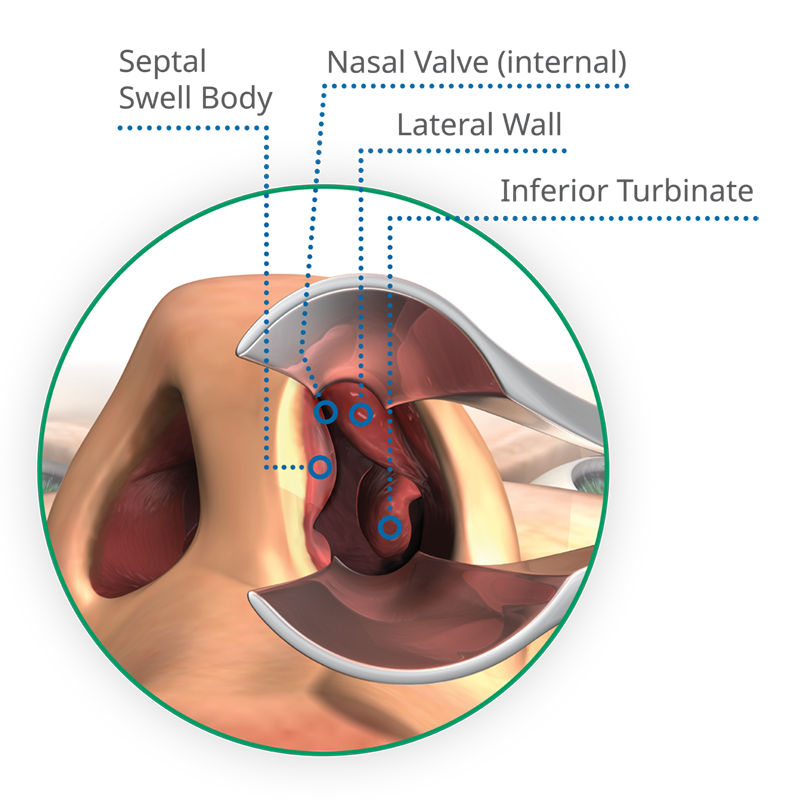
NAO Anatomic Contributors and Prevalence2:
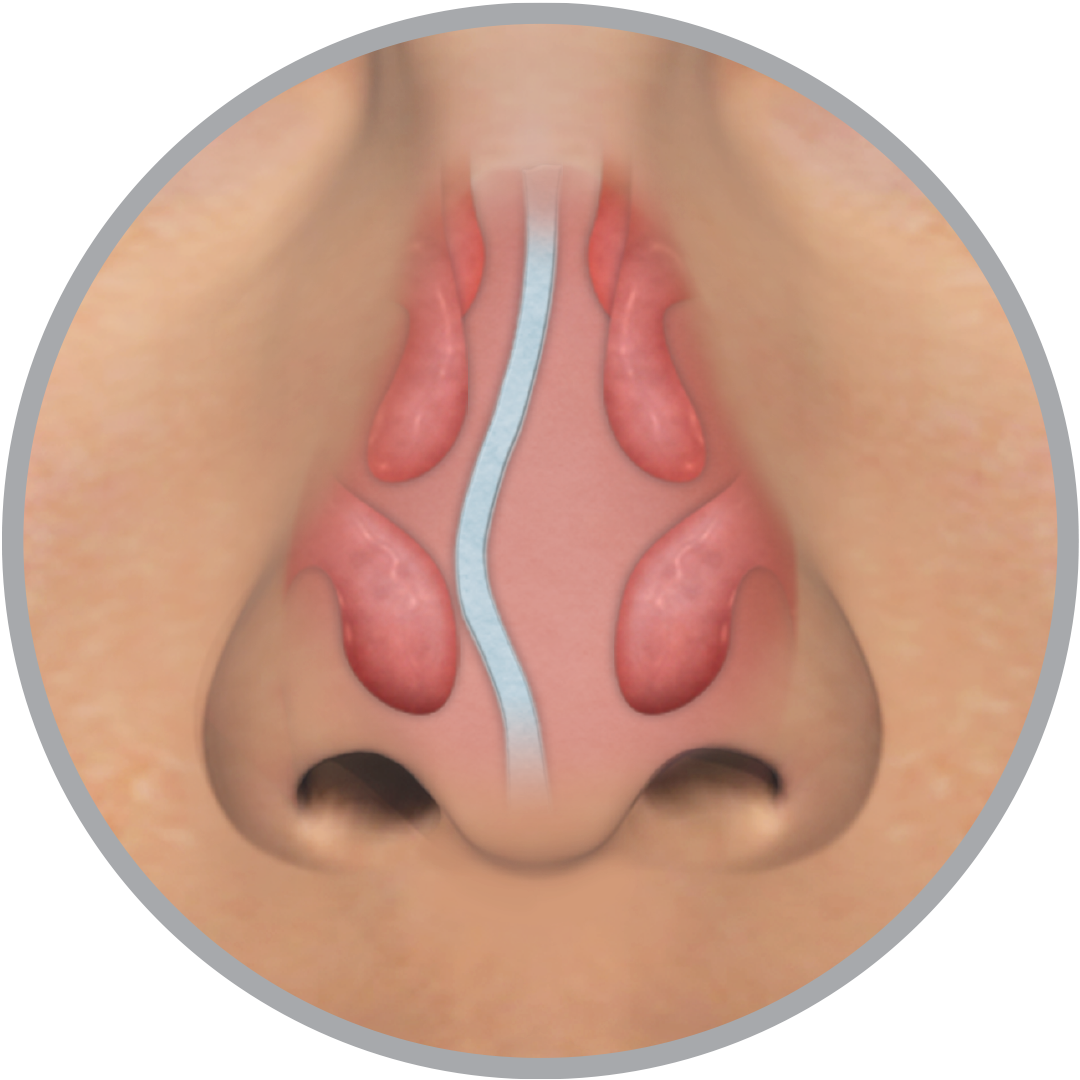
Septal Deviation

Inferior Turbinate Hypertrophy
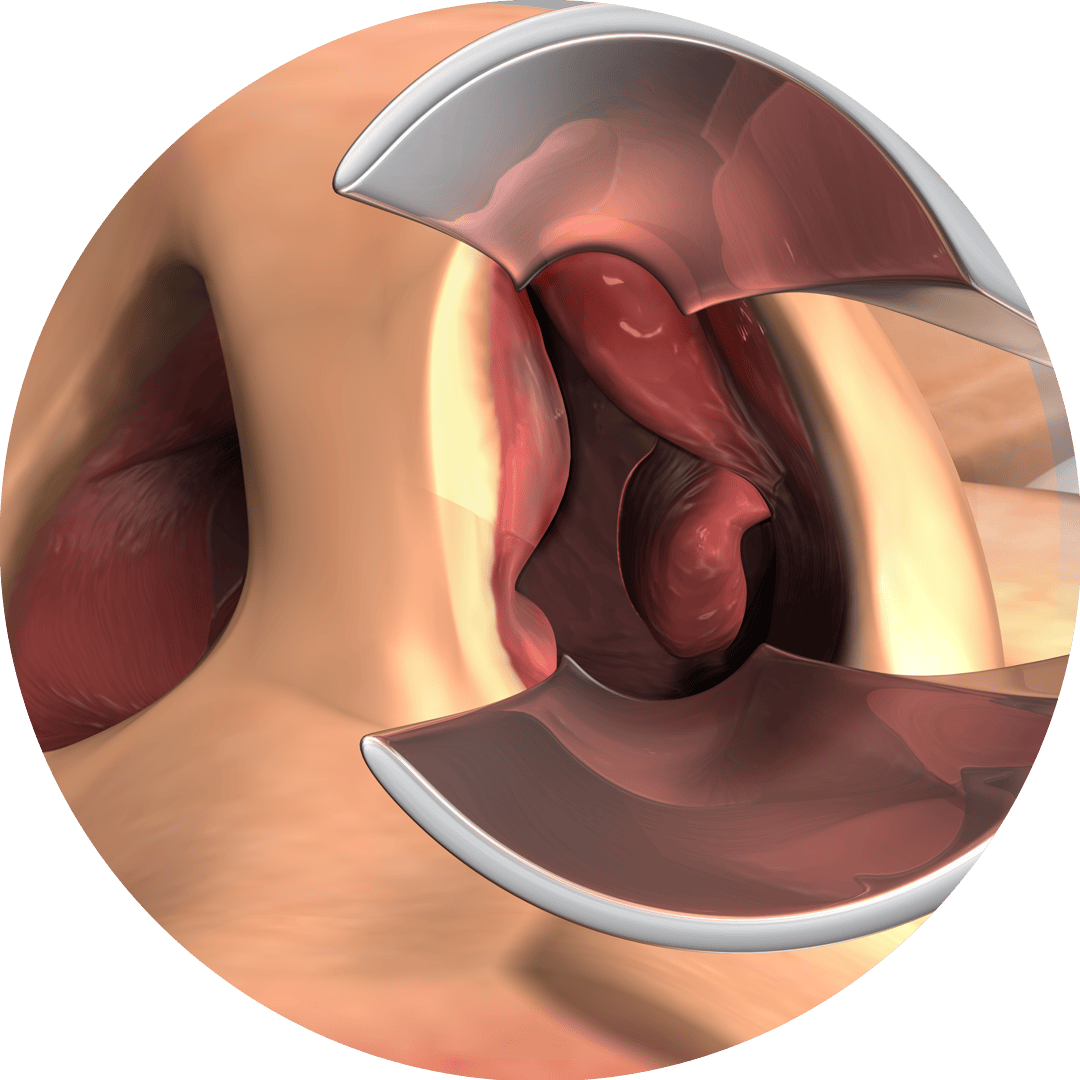
Nasal Valve Collapse
Current Treatment Options
Medical Therapy
- Requires frequent daily use for short-term symptom relief
- Medically managed NAO sufferers are unsatisfied with the temporary relief from OTC solutions2


Traditional Surgery
- Functional rhinoplasty
- Septoplasty – the gold standard for NAO, but not perfect3
- Turbinate surgery treats congestion, not underlying issue

The VivAer Procedure Advantage
VivAer offers a comprehensive solution targeting common contributors to nasal obstruction. VivAer patients benefit from:


Shared Decision Making:
Choosing the Right Treatment Approach
Consider Your Patients’ Needs When Discussing NAO Treatment Options
When evaluating treatment options for patients with NAO, it’s crucial to take into account their individual needs, preferences, symptom severity, and underlying causes.
In a prospective multicenter study of 198 participants:
- 75% of patients with medically refractory NAO opted for a procedure over continued medical management 4
- 72% of patients expressed a preference for undergoing the procedure in an office setting4
WEB1322-33.A
Disclaimer
The VivAer® Stylus is indicated for use in otorhinolaryngology (ENT) surgery for the coagulation of soft tissue in the nasal airway, to treat nasal airway obstruction by shrinking submucosal tissue, including cartilage in the internal nasal valve area.
Specific indications, contraindications, warnings, precautions, and safety information exist for these products. Aerin Medical relies on the physician to determine, assess and communicate to each patient all foreseeable risks of the procedure. A physician must always refer to the package insert, product label and/or instructions for use before using any of Aerin Medical’s products. Rx only.
References:
- Stewart M, Ferguson B, Fromer L. Epidemiology and burden of nasal congestion. Int J Gen Med. 2010 Apr 8;3:37-45. doi: 10.2147/ijgm.s8077. PMID: 20463822; PMCID: PMC2866547.
- Clark D, et al., Nasal airway obstruction: Prevalence and anatomic contributors. Ear Nose Throat J. 2018 June;97(6):173-176.
- Pedersen L, et al. (2023) A comparison of men and women undergoing septoplasty—the Swedish national septoplasty register. Front. Surg. 10:1223607. doi: 10.3389/fsurg.2023.1223607
- Payne et al. Medical therapy versus sinus surgery by using balloon sinus dilation technology: A prospective multicenter study. Am J Rhinol Allergy 30, 279–286, 2016; doi: 10.2500/ajra.2016.30.4346.